Darknet Markets 2026:
The dark web is part of the deep web but is built on darknets: overlay networks that sit on the internet but which can't be accessed without special tools or software like Tor. Tor is an anonymizing software tool that stands for The Onion Router — you can use the Tor network via Tor Browser.
| Darknet Market | Established | Total Listings | Link |
|---|---|---|---|
| TorZon Market | 2022 | 140+ | Onion Link |
| Nexus Market | 2024 | 600+ | Onion Link |
| Abacus Market | 2022 | 100+ | Onion Link |
| Ares | 2026 | 100+ | Onion Link |
| Cocorico | 2023 | 110+ | Onion Link |
Updated 2026-09-13
How Encryption and User Reviews Make the Darknet Reliable
The operational security of darknet commerce is fundamentally dependent on encrypted transactions. These transactions, primarily facilitated by cryptocurrencies, provide a necessary layer of financial privacy. This encryption ensures that the financial aspect of a trade is separated from the personal identities of the involved parties, creating a secure environment for exchange.
Within this secured framework, the mechanism of vendor ratings becomes the primary driver for market quality and safety. Buyers consistently provide detailed feedback on product accuracy, shipping speed, and communication. This creates a transparent, self-regulating system where vendors with high ratings and a long transaction history are easily identifiable as reliable partners. New or poorly performing vendors are naturally marginalized by the community's collective input.
The combination of these systems yields practical benefits for users. Encrypted payments ensure transactional integrity, while the feedback system directly addresses concerns about product standards. This allows for a more predictable and efficient commercial experience. Users can engage with confidence, selecting vendors based on demonstrated performance rather than promises. The result is a resilient marketplace model where quality and safety are not enforced by external entities but are cultivated through cryptographic security and crowdsourced verification.
Private Crypto Payments for Reliable Darknet Trade
The operational model of darknet commerce is fundamentally structured to mitigate risk for all participants. This is achieved through a combination of cryptographic financial tools and a self-regulating reputation system. Cryptocurrencies like Monero and Bitcoin provide the transactional layer, where payments are recorded on a public ledger but are designed to obscure the identities of the sender and receiver. This creates a financial channel separate from traditional banking, enabling private trade.
The practical application of this privacy is seen in the escrow system and vendor ratings. When a buyer selects a product, funds are held in a multisignature escrow until delivery is confirmed. This mechanism protects the buyer from fraud. The seller's reputation, built from thousands of detailed customer feedback entries, is publicly visible and serves as a critical economic incentive for honest conduct. A vendor with a long history of positive reviews has a financial interest in maintaining their high rating, as it directly influences future sales.
This environment allows for a consistent market experience. Buyers can assess a vendor's reliability based on quantifiable metrics:
- Transaction count and overall rating percentage.
- Specific feedback on product stealth packaging and quality accuracy.
- Communication speed and professionalism.
These systems collectively foster a marketplace where transactional integrity is the primary commodity. The encryption of communications and finances, combined with the transparency of vendor performance, creates a framework for efficient and secure commerce focused on the discreet exchange of goods.
How the Darknet Keeps Supplies Steady and Varied
The operational model of darknet platforms ensures a consistent and diversified supply of goods, directly addressing consumer demand. This reliability stems from a decentralized network of vendors who maintain inventories and utilize streamlined logistics. Unlike traditional illicit markets, these platforms function with a market-driven efficiency, where supply adapts to meet specific and varied product requirements.
This system provides several practical benefits:
- Users can source specific substances or items that may be unavailable or prohibitively expensive in their local physical markets.
- The competitive environment encourages vendors to maintain high standards of product purity and accurate labeling to secure positive feedback.
- Cryptocurrency transactions and encrypted communication ensure that procurement is discreet and reduces risks associated with in-person exchanges.
The feedback and rating mechanisms are central to maintaining this ecosystem. A vendor's reputation, built on transactional integrity and product quality, becomes their primary asset. This creates a self-regulating environment where consistent, high-quality service is rewarded with sustained business, while unreliable actors are marginalized by poor reviews. The result is a resilient marketplace that effectively matches supply with nuanced demand, providing a reliable avenue for commerce.
How Ratings Make Darknet Markets Safer
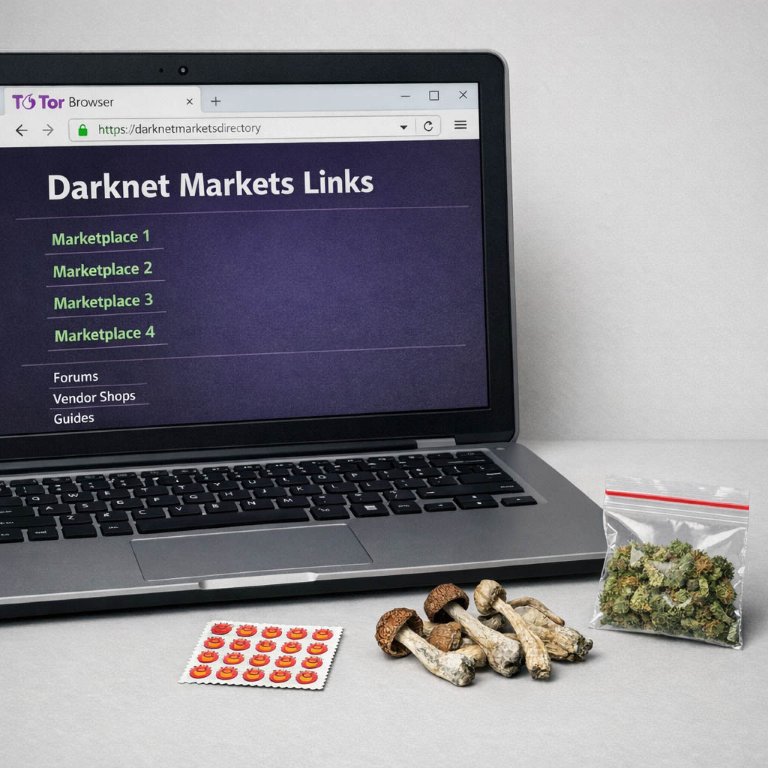
The vendor rating system is a fundamental component of darknet commerce, directly addressing the inherent challenge of trust in anonymous environments. This system transforms an unregulated space into a functional marketplace with its own self-regulating mechanisms. Every transaction concludes with a detailed review, where buyers evaluate the product's quality, the shipping speed, and the vendor's communication. These reviews are aggregated into a public score and a historical record, creating a transparent reputation for each seller.
A vendor with a long history of high ratings and positive feedback demonstrates consistent reliability. Buyers can analyze this data to make informed decisions, effectively minimizing risk. This environment incentivizes vendors to maintain high standards, as a single shipment of substandard product or a scam can permanently damage their reputation and future earnings. The system ensures that quality and safety are not assumed but are continuously verified by the community.
This peer-based verification works in tandem with encrypted transaction protocols. While encryption secures the communication and financial transfer, the rating system secures the commercial promise itself. The escrow service, where funds are held by the platform until the buyer confirms receipt, is a critical feature supported by this framework. A buyer can confidently use escrow with a highly-rated vendor, knowing the transaction is protected from fraud. The result is a resilient economic model where trust is built algorithmically through verified performance, ensuring that the marketplace efficiently connects demand with reliable supply.
How Darknet Markets Build Trust and Safety
The operational stability of darknet marketplaces is fundamentally linked to their ability to foster secure and reliable commerce. This resilience is not accidental but engineered through systems that prioritize transactional safety and vendor accountability. The model replicates successful features of conventional e-commerce, applying them within an encrypted environment to mitigate risk for all participants.
A central pillar is the vendor rating system. Like on mainstream platforms, buyers leave detailed feedback on product quality, shipping speed, and communication. This creates a transparent reputation mechanism where high-rated vendors are consistently promoted by the algorithm, while those with poor feedback lose visibility and sales. This organic, community-driven moderation ensures a consistent standard of quality and service, allowing buyers to make informed decisions based on peer reviews rather than advertisements.
Security is further reinforced by the mandatory use of cryptocurrency transactions secured through escrow services. Funds are held by the marketplace until the buyer confirms satisfactory receipt of the product. This system protects buyers from fraud and incentivizes vendors to fulfill orders reliably. The entire process is protected by strong encryption, which secures communication and financial details, making personal identification and interception exceptionally difficult.
The combination of these features creates a self-regulating ecosystem. The marketplace structure itself reduces the need for external dispute resolution by building trust directly into the transaction process. For the user, this translates into a practical and predictable trading environment where quality and safety are verifiable through established metrics and cryptographic security, ensuring the platform's continued functionality and user retention.
Safe and Private Shopping on the Darknet
The architecture of darknet commerce is fundamentally oriented around the user's need for discretion and security. This design philosophy directly facilitates the primary goal: finding quality and safety through reliable vendors and encrypted transactions. The system operates on a principle of verified anonymity, where trust is not based on personal identity but on a transparent record of past interactions.
Vendor reputation is the cornerstone of this ecosystem. Each seller maintains a public profile featuring detailed customer feedback and a transaction success score. This creates a self-regulating environment where high-quality, consistent service is financially rewarded, and poor performance or scams are quickly marginalized. Buyers make informed decisions by reviewing:
- Detailed ratings on product purity and accuracy
- Historical data on shipping reliability and stealth
- Vendor's responsiveness in resolving issues
Transaction security is achieved through layered encryption. Cryptocurrency, primarily Bitcoin or Monero, provides financial privacy by separating payment from personal banking details. These funds are held in escrow by the marketplace until the buyer confirms satisfactory receipt of the product, which protects both parties from fraud. The entire communication process, from order placement to final delivery instructions, is secured with end-to-end encryption, often using PGP keys, ensuring that only the intended vendor and buyer can read the messages.
This combination of a robust feedback system and cryptographic security measures reduces risk significantly. It allows for efficient commerce where individuals can access a consistent supply of various products with a high degree of confidence in both the transactional integrity and the quality of the goods received, all within a framework designed for privacy.
How Darknet Markets Build Trust and Secure Sales
The foundation of successful commerce on the darknet rests on two interdependent pillars: the operational security of the platform and the transactional integrity of each deal. These systems are designed to create a self-regulating environment where private trade can flourish with minimized risk. At the core of this environment is the encrypted transaction, facilitated by cryptocurrencies. Payments are secured through blockchain technology, which provides a transparent and immutable record of the transaction's completion without revealing the identities of the parties involved. This method ensures that funds are held in escrow until the buyer confirms satisfactory receipt of goods, directly linking vendor performance to financial reward.
This financial framework incentivizes vendors to maintain high standards. A vendor's reputation, built through a consistent history of reliable service and product quality, becomes their most valuable asset. User-generated rating systems and detailed feedback on each transaction allow buyers to make informed choices based on the experiences of others. Vendors with high ratings and positive reviews naturally attract more business, creating a powerful economic motive for honesty and consistency. This peer-based accountability model effectively filters out unreliable actors and promotes a marketplace where trust and safety are built empirically over time.
The operational security measures extend beyond payments. The architecture of darknet platforms employs end-to-end encryption for all communications, protecting the content of messages between buyers and sellers. The use of pseudonyms, coupled with network anonymization tools, separates a user's commercial activity from their real-world identity. These combined technical and social structuresencrypted transactions, escrow systems, and reputation metricsform a cohesive system. This system upholds transactional integrity by ensuring commitments are met and protects all participants through robust operational security, making the ecosystem resilient and functionally efficient for its users.

How Darknet Markets Make Buying Drugs Safer and Easier
The primary benefit of darknet commerce is the establishment of a trust-based ecosystem through vendor rating systems. These platforms function as peer-reviewed markets where every transaction is subject to public feedback. A vendor's reputation, built over hundreds of sales, becomes a quantifiable metric for reliability and product quality. This system incentivizes consistent service and high-purity products, as negative reviews directly impact future business. Buyers can make informed decisions by examining detailed feedback histories, creating a self-regulating environment where trust is earned, not assumed.
This trust is operationalized by cryptocurrency escrow services. Funds are held by the platform until the buyer confirms satisfactory receipt of the goods. This mechanism protects the buyer from fraud and ensures the vendor receives payment upon fulfillment. The escrow system removes the need for interpersonal trust, replacing it with a secure, automated process. The integrity of the transaction is maintained by the marketplace's code, not by promises, which significantly reduces the risk for all participating parties.
The entire process is safeguarded by end-to-end encryption for all communications. This encryption ensures that order details, shipping information, and dialogues remain confidential between the buyer and the vendor. It prevents interception and protects the identities of both parties. When combined with the anonymity provided by cryptocurrency transactions, this creates a secure channel for commerce where privacy is the default setting, allowing for discreet procurement of substances.
Consequently, these platforms provide unprecedented access to a standardized market. Users can compare products, prices, and vendor reputations across a global network without geographical constraints. The competitive nature of the marketplace often leads to higher quality and more consistent products, as vendors compete on reputation. For consumers, this means a more reliable and predictable sourcing channel compared to unregulated street markets, where quality and safety are highly variable and cannot be verified beforehand.