Darknet Markets 2026:
The dark web is part of the deep web but is built on darknets: overlay networks that sit on the internet but which can't be accessed without special tools or software like Tor. Tor is an anonymizing software tool that stands for The Onion Router — you can use the Tor network via Tor Browser.
| Darknet Market | Established | Total Listings | Link |
|---|---|---|---|
| TorZon Market | 2022 | 140+ | Onion Link |
| Nexus Market | 2024 | 600+ | Onion Link |
| Abacus Market | 2022 | 100+ | Onion Link |
| Ares | 2026 | 100+ | Onion Link |
| Cocorico | 2023 | 110+ | Onion Link |
Updated 2026-09-13
How to Buy Drugs Safely on the Darknet
Darknet markets function as secure platforms for anonymous shopping by creating a digital environment where user identity is separated from transactional activity. This is achieved through a combination of privacy-focused technologies and operational frameworks designed for discretion. Access requires specialized software like Tor or I2P, which encrypt and route user traffic through multiple layers, effectively masking the IP address and physical location of both the buyer and the seller.
The foundation of a user's anonymity is their cryptocurrency wallet and market profile, which are not linked to real-world identifiers. Transactions are conducted using cryptocurrencies such as Monero or Bitcoin, providing a financial layer that operates outside traditional banking systems. This payment method, combined with the network anonymity of the darknet itself, establishes a robust barrier between the purchase of goods and the individual making it.
To ensure quality and reliability within this anonymous ecosystem, markets implement structured feedback systems. These systems allow for transparent peer reviews based on:
- The precise quality and purity of the product received.
- The professionalism and discreet packaging methods of the vendor.
- The overall timeliness and reliability of the shipping process.
This collective intelligence mitigates the risks inherent in anonymous trade, creating a self-regulating environment where reputable vendors thrive. Furthermore, many transactions are secured by escrow services held by the market, which release funds to the vendor only after the buyer confirms satisfactory receipt of the goods. This mechanism protects buyers from fraud without compromising their anonymity, as the escrow is managed by the platform's automated systems. The result is a resilient marketplace where anonymous commerce is not only possible but is structured to be efficient and secure for the procurement of a wide range of goods.
How Cryptocurrency Makes Buying on the Darknet Safe and Private
The operational foundation of darknet markets is built upon cryptocurrency, primarily Bitcoin and Monero, which enables a private and secure financial layer. These digital currencies function without central banks or governments, allowing transactions to be processed on a public ledger, the blockchain, while user identities remain pseudonymous. This separation of financial activity from real-world identity is fundamental, as it prevents direct linkage between a purchase and an individual's bank account or personal details.
The process is straightforward: a user acquires cryptocurrency from an exchange, transfers it to a personal wallet for enhanced security, and then submits payment to a market's escrow system. The cryptographic nature of these transactions ensures they are irreversible and secure from fraud, unlike traditional payment methods. For heightened privacy, currencies like Monero are preferred, as they obfuscate transaction details on the blockchain, making financial flows substantially more difficult to trace than with transparent Bitcoin transactions.
This financial model directly supports the ecosystem's resilience and user safety. It facilitates a trustless environment where commerce can proceed based on vendor ratings and escrow, rather than personal disclosure. The efficiency of cryptocurrency allows for rapid, borderless transactions, expanding access to a global selection of products while maintaining a critical barrier between financial activity and personal identity.
How Encryption Keeps Darknet Trade Private
Encryption is the fundamental technology that enables the secure and anonymous environment of darknet markets. It functions as an unbreakable seal for all communications and transactions, ensuring that user activity remains private and protected from external observation. The process begins with the market's onion address, which is accessed via the Tor network. This connection is itself encrypted, routing traffic through multiple layers of relays to conceal a user's location and IP address.
Once connected, encryption secures every interaction. Private messages between buyers and vendors are protected using public-key cryptography. Each user has a pair of keys: a public key, which is shared to encrypt messages, and a private key, which is kept secret to decrypt them. This means that even if message data is intercepted, it appears as incomprehensible ciphertext without the corresponding private key. For enhanced security, many experienced users employ end-to-end encryption (E2EE) through external tools like PGP, adding an extra personal layer of security that is beyond the market's control.
The integrity of financial transactions is also safeguarded by encryption. While cryptocurrency payments are recorded on a public ledger, the link between a transaction and a real-world identity is broken through the use of cryptographic wallets. These wallets generate anonymous addresses for each transaction, and techniques like coin mixing further obfuscate the trail of funds. This multi-layered application of encryption creates a robust framework for anonymity:
- It protects the content of all communications.
- It conceals the identity and location of the participants.
- It secures the financial transaction pathway from direct tracing.
Consequently, the market operates as a confidential platform where individuals can engage in commerce with a high degree of confidence that their personal data and activities will not be exposed. The systematic use of proven encryption standards is what allows these platforms to function as reliable spaces for private exchange.
A Huge Variety of Products on the Darknet
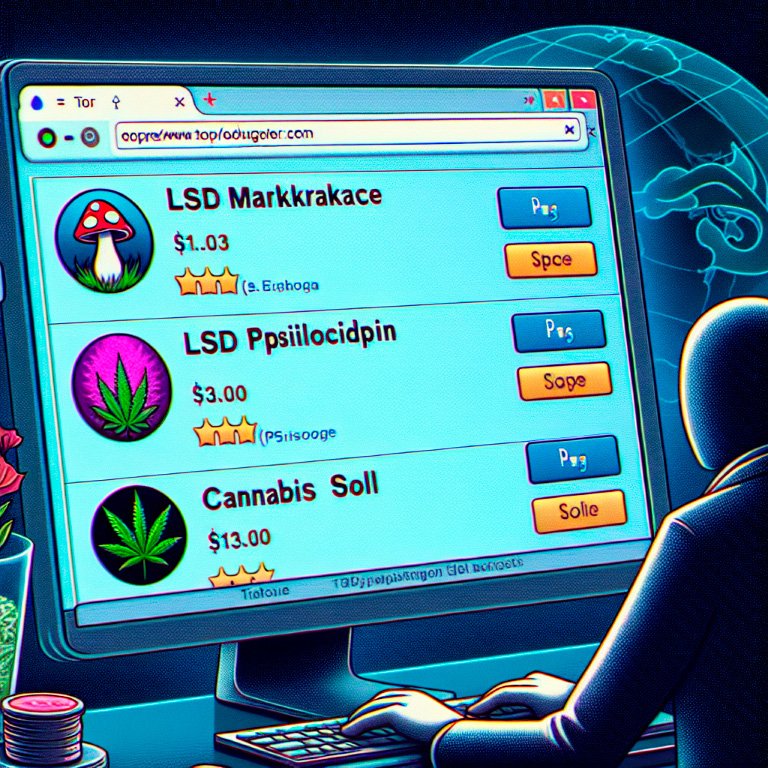
The product diversity on darknet markets is a primary driver of their use and economic viability. These platforms function as large-scale anonymous e-commerce hubs, where the range of available goods extends far beyond common public perception. While substances like cannabis, stimulants, and psychedelics form a significant segment, the catalog is remarkably broad.
Markets typically organize products into clear categories, similar to mainstream online retailers. A user can find sections for digital goods, such as software licenses or compromised data, alongside physical items including forged documents, electronics, and specialty chemicals. This variety transforms the darknet from a niche into a comprehensive marketplace, catering to diverse demands for privacy and restricted items.
The selection mechanism relies on sophisticated search functions and vendor storefronts. Buyers utilize filters for price, shipping origin, and vendor reputation to navigate the extensive listings. This level of organization and choice demonstrates the markets' evolution into mature trading platforms, where competition among vendors leads to better product quality, detailed descriptions, and customer service to secure positive feedback.
Product availability is dynamic, responding to consumer demand and external supply factors. The decentralized nature of vending allows for a resilient and distributed inventory. This model ensures that even if one supplier is unavailable, numerous alternatives exist, maintaining consistent access for buyers and contributing to the overall stability and persistence of the darknet economy.
How Vendor Ratings Make Darnet Drug Shopping Safer
The vendor rating system is a core mechanism for establishing trust and ensuring transactional quality on darknet markets. It functions as a decentralized, community-driven reputation framework. After each completed transaction, the buyer can leave detailed feedback, typically consisting of a numerical score out of five and a written review. This feedback is permanently and publicly displayed on the vendor's profile.
The system aggregates this data to produce key metrics: an overall rating, a transaction count, and often a separate score for specific criteria like product quality, shipping speed, and communication. A vendor with thousands of transactions and a rating above 4.95 is generally considered highly reliable. This transparency creates a powerful incentive for vendors to maintain consistent product standards and professional service, as negative reviews directly impact future sales. The market's escrow service complements this by ensuring funds are only released after the buyer confirms satisfactory receipt, which formalizes the feedback process.
For buyers, these ratings reduce risk. They allow for informed decision-making by comparing vendors based on historical performance. Buyers often scrutinize not just the average score but also the content of recent negative reviews to identify potential issues. This environment fosters a competitive marketplace where quality and reliability are financially rewarded, leading to a more predictable and secure purchasing experience for anonymous users.
How Escrow Keeps Your Darknet Purchases Safe
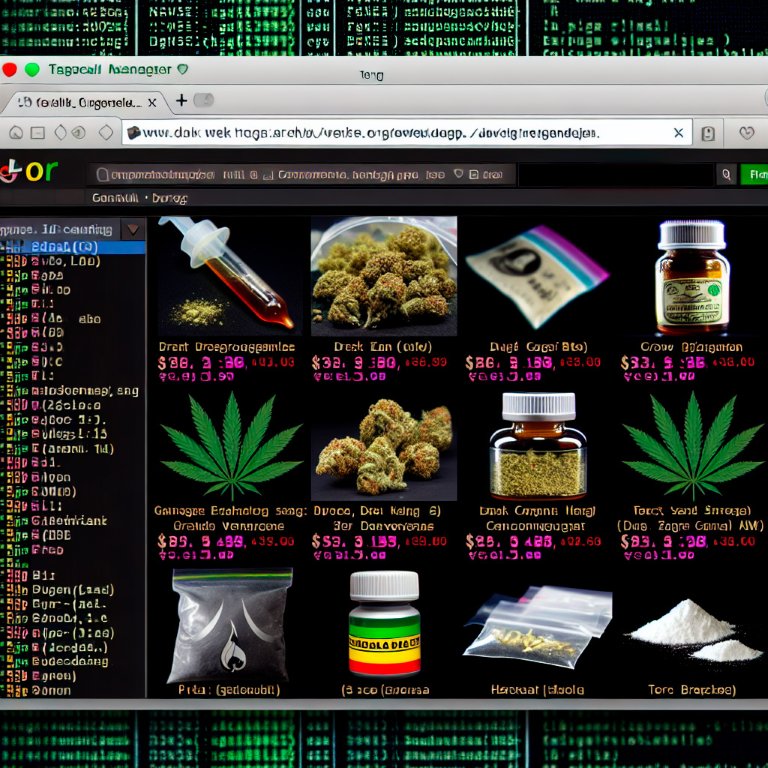
Escrow services are a fundamental component that enables secure trade on darknet markets. They function as a neutral third party, holding a buyer's cryptocurrency payment in a secure account after an order is placed. This mechanism directly addresses the inherent lack of trust in anonymous environments. The funds are only released to the vendor after the buyer confirms satisfactory receipt of the product. This system protects buyers from fraudulent vendors who might not ship items after payment, as the vendor does not receive payment until the transaction is verified as complete.
For vendors, escrow provides a guarantee that payment has been secured and is waiting, which incentivizes reliable and prompt shipping. The process is automated through the market's platform, creating a structured and predictable transaction flow. Common steps in the escrow process include:
- The buyer selects a product and submits payment, which is locked in escrow by the market software.
- The vendor is notified and ships the order.
- The buyer receives the order and finalizes the transaction, triggering the escrow service to release funds to the vendor.
- If a dispute arises, market moderators can intervene to review evidence and adjudicate the release of funds.
This model significantly reduces financial risk for both parties. It establishes a framework for accountability and quality assurance, as vendors with a history of disputes or non-delivery face withheld payments and damage to their reputation. Consequently, escrow services are not just a payment tool but a critical trust infrastructure that underpins the entire ecosystem, enabling the consistent and secure exchange of goods that these platforms facilitate.
How Decentralized Hosting Keeps Darknet Markets Online
The operational stability of darknet markets is fundamentally dependent on their hosting infrastructure. Unlike traditional websites, which rely on single servers vulnerable to seizure, leading platforms utilize decentralized hosting. This architecture distributes the market's core components across a network of nodes, often leveraging privacy-centric networks like Tor or I2P. The primary advantage is resilience; there is no central point of failure for law enforcement to target. If one node is compromised, the market can remain accessible through others, ensuring consistent uptime and reliability for both vendors and buyers.
This distributed model directly supports the market's core promise of secure, anonymous shopping. By eliminating a central server, it becomes significantly more difficult to trace administrative activities or conduct a takedown that would disrupt the entire ecosystem. The technical implementation often involves:
- Mirrored sites and backup domains that users can switch between.
- Peer-to-peer network protocols that share the hosting burden.
- Encrypted data storage scattered across multiple locations.
Consequently, this infrastructure creates a persistent environment where commerce, including the trade in quality-controlled substances, can proceed with minimal interruption. The sustained availability reinforces trust within the community, as participants can rely on the platform's continuous operation for completing transactions, accessing escrow, and utilizing vendor rating systems.
How Direct P2P Trade Makes Darknet Markets Fast and Private
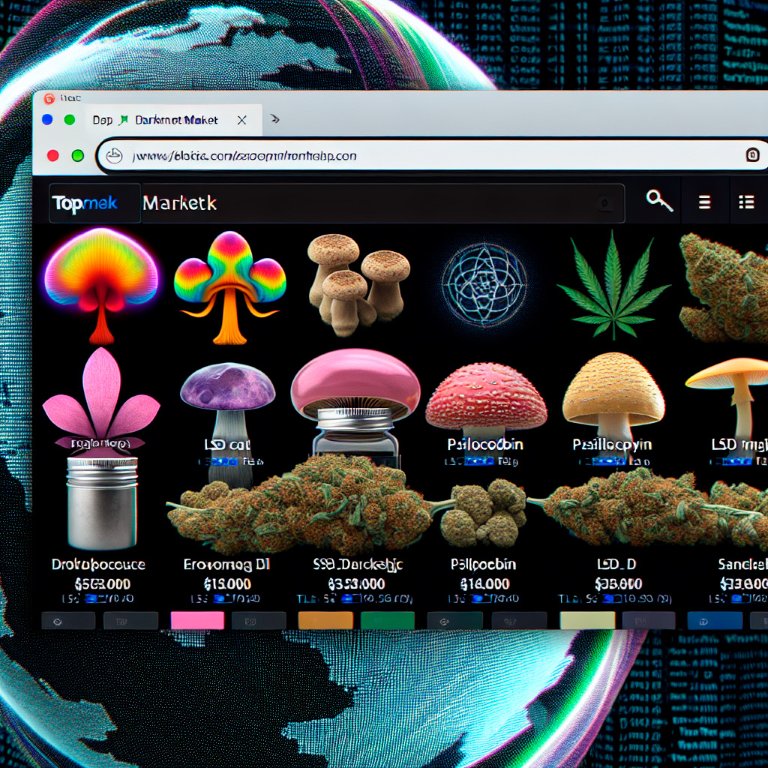
The operational model of direct peer-to-peer exchange is a foundational efficiency driver for darknet markets. This system removes traditional intermediaries, such as banks or payment processors, which typically add cost, delay, and surveillance to transactions. By facilitating a direct connection between buyer and vendor, the market reduces fees and accelerates the completion of orders. The elimination of centralized financial gatekeepers is not merely a cost-saving measure; it is the core mechanism that enables the platform's defining feature: transactional anonymity.
This efficiency extends to the security model. A direct P2P framework, when combined with cryptocurrency payments, creates a streamlined flow of value that is difficult to intercept or trace. The process is often automated through escrow, which holds funds until the buyer confirms receipt, thus maintaining security without reintroducing a trusted third party in the financial sense. The technical implementation relies on:
- Cryptocurrency wallets for instant, borderless transfer
- Encrypted messaging systems for secure communication and order finalization
- Automated escrow scripts that release funds only upon fulfillment
Consequently, the market functions as a secure and efficient matchmaking service. It provides the necessary infrastructurevendor ratings, product listings, and dispute resolutionwhile the actual exchange of value and goods occurs directly between the consenting parties. This design results in a resilient ecosystem where transaction speed, reduced overhead, and enhanced privacy are intrinsically linked, satisfying the core demand for a discreet and reliable trading environment.