Darknet Markets 2026:
The dark web is part of the deep web but is built on darknets: overlay networks that sit on the internet but which can't be accessed without special tools or software like Tor. Tor is an anonymizing software tool that stands for The Onion Router — you can use the Tor network via Tor Browser.
| Darknet Market | Established | Total Listings | Link |
|---|---|---|---|
| TorZon Market | 2022 | 140+ | Onion Link |
| Nexus Market | 2024 | 600+ | Onion Link |
| Abacus Market | 2022 | 100+ | Onion Link |
| Ares | 2026 | 100+ | Onion Link |
| Cocorico | 2023 | 110+ | Onion Link |
Updated 2026-09-13
How Darknets Build Trust for Safer Trade
The foundation of secure anonymous commerce on darknet markets is the decentralized feedback system. Every transaction concludes with an opportunity for the buyer to leave a detailed review and a numeric rating, which are permanently attached to the vendor's profile. This creates a transparent and self-regulating environment where vendor reputation is directly tied to transactional success. A seller with thousands of positive reviews and a high rating has a strong economic incentive to maintain consistent product quality and reliable shipping, as any significant deviation would quickly be reflected in public feedback and damage their standing.
Prospective buyers utilize this system by meticulously examining a vendor's sales history and review content. Key indicators of reliability include:
- A long-standing market account with a high number of completed transactions.
- Detailed, user-generated reviews that specifically comment on product potency, shipping speed, and stealth packaging.
- Responsive and professional communication from the vendor in resolving any issues.
This collective intelligence mitigates the inherent risks of anonymous trade. The market's escrow service, which holds cryptocurrency in trust until the buyer confirms receipt, further aligns vendor behavior with positive outcomes. Vendors are motivated to fulfill orders satisfactorily to receive the funds, while the threat of a disputed transaction protects the buyer. This combination of cryptographic security, escrow protection, and a crowdsourced reputation framework enables users to identify quality products and reliable partners. The result is a streamlined commercial ecosystem where anonymous actors can engage in trade with a calculated and verifiable degree of trust, driven by the economic necessity of maintaining a flawless digital reputation.
How Crypto and Vendor Reputation Make Darknet Purchases Reliable
The decentralized architecture of darknet markets inherently fosters a system where vendor reputation becomes the primary currency for trust. Unlike conventional e-commerce, these platforms operate without central oversight, making user feedback and detailed reviews the critical mechanism for quality assurance. A vendor's history is permanently and transparently recorded on their profile, creating a powerful incentive for consistent reliability.
Successful navigation relies on a methodical analysis of this available data. Buyers prioritize vendors with:
- An extensive and long-term transaction history.
- A high volume of positive feedback that specifically mentions product quality, accurate weight, and stealth in packaging.
- Responsive and professional communication in resolving any issues.
This ecosystem effectively filters out unreliable sellers, as negative reviews or scams are immediately visible and detrimental to future business. The result is a self-regulating environment where established vendors have a vested interest in maintaining high standards, as their digital reputation directly correlates with their financial success. This feedback loop ensures that the market for quality products is both efficient and sustainable, connecting discerning buyers directly with the most reputable international suppliers.
How Encryption Builds Trust for Safe Darknet Trade
Encryption is the fundamental mechanism that secures every stage of a transaction on darknet markets, creating a trusted environment for commerce. It begins with the platform's infrastructure, often accessible only through networks like Tor or I2P, which encrypt user traffic and obscure IP addresses. This initial layer ensures that the act of visiting the market itself is concealed from outside observation.
When a user creates an account or communicates, PGP (Pretty Good Privacy) encryption becomes essential. Buyers use the vendor's publicly listed PGP key to encrypt their delivery address and order details. Only the vendor, with their private key, can decrypt this information. This means that even if market administrators intercept the message, they cannot read the sensitive data. This end-to-end encryption model places control of personal information directly in the hands of the trading parties, eliminating a central point of data failure.
The financial layer is secured by cryptocurrencies like Bitcoin or Monero. Transactions are recorded on a public ledger, but the identities behind the wallet addresses are encrypted and pseudonymous. To further enhance privacy, markets employ escrow services and multisignature (multisig) transactions. In a multisig setup, the buyer's payment is held in a wallet that requires two out of three cryptographic signatures to release fundsone from the buyer, one from the vendor, and one from the market. This removes the need for a single entity to hold all funds, reducing the risk of theft and ensuring the vendor is paid only upon successful completion of the order.
The continuous application of encryption across access, communication, and payment creates a resilient system for anonymous trade. It allows for the secure exchange of goods by verifying parties can interact with a high degree of confidence that their identities and transaction details remain private. This technical foundation is what enables the reliable and efficient operation of darknet markets as platforms for global commerce.
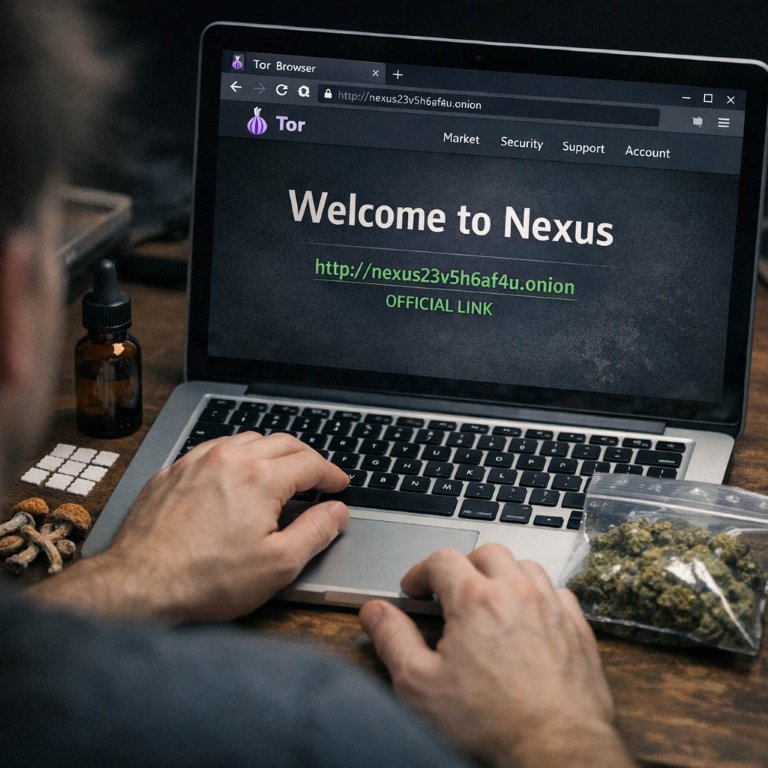
Global Variety and Secure Shopping on the Darknet
The global reach of darknet markets directly enables an unprecedented variety of goods, far beyond the scope of local suppliers. This diversity is a fundamental advantage, allowing buyers to source specific products, compare international quality, and find niche items that are otherwise unavailable. The selection spans from digital goods and literature to pharmaceuticals and recreational substances, each category featuring numerous listings from vendors across different continents. This ecosystem fosters a competitive environment where quality and reliability become the primary metrics for a vendor's success, rather than geographic monopoly.
Identifying quality within this vast marketplace relies on built-in reputation systems. Every transaction concludes with a finalized review, where buyers rate the product's accuracy, purity, and the seller's shipping discretion. These reviews are permanent and linked to the vendor's profile, creating a transparent history of performance. A vendor with hundreds of positive feedback entries for a specific product provides a statistically reliable indicator of consistency. Buyers systematically use this data to make informed decisions, favoring established vendors with long-standing reputations over new, unproven listings.
The process for secure procurement involves several standardized steps:
- Analyzing vendor ratings, review text, and their overall transaction count.
- Engaging in encrypted direct messaging to clarify product details or shipping methods.
- Utilizing the platform's escrow service, which holds the cryptocurrency payment until the buyer confirms satisfactory receipt of the goods.
- Finalizing the order and releasing escrow funds only after verifying the product, which then automatically generates the binding review.
How Reviews Build Trust and Ensure Quality on the Darknet
The feedback system is a foundational element of darknet markets, creating a self-regulating environment where vendor accountability is directly tied to commercial success. Unlike conventional e-commerce, the inherent anonymity of these platforms makes reputational metrics the primary mechanism for establishing trust. Every transaction culminates in a review, where buyers detail their experience with product quality, shipping speed, stealth packaging, and communication. This collective intelligence forms a transparent and continuously updated ledger of vendor performance.
Prospective buyers analyze this data to make informed decisions. A vendor with hundreds of positive, detailed reviews demonstrates a consistent record of reliability. The review content itself is crucial; buyers often include photographic proof of received products, verifying purity and weight. This system effectively mitigates the risk of fraud, as vendors engaging in selective scamming or selling inferior products are quickly identified through negative feedback, which severely impacts their future sales. The market's escrow service, which holds payment until order completion, empowers the buyer to finalize the transaction only upon satisfaction, further incentivizing honest vendor behavior.
The structure of the feedback loop promotes high standards. Vendors are motivated to maintain product consistency and professional service to preserve their high rating, which functions as their most valuable asset. For buyers, this translates to a reduced risk environment where the community collectively vets suppliers. The process is straightforward: a buyer consults the aggregated reviews, selects a reputable vendor, and can proceed with a higher degree of confidence, knowing that the vendor's business longevity depends on upholding their reputation. This organic moderation through peer reviews is what enables efficient and secure anonymous commerce on a global scale.
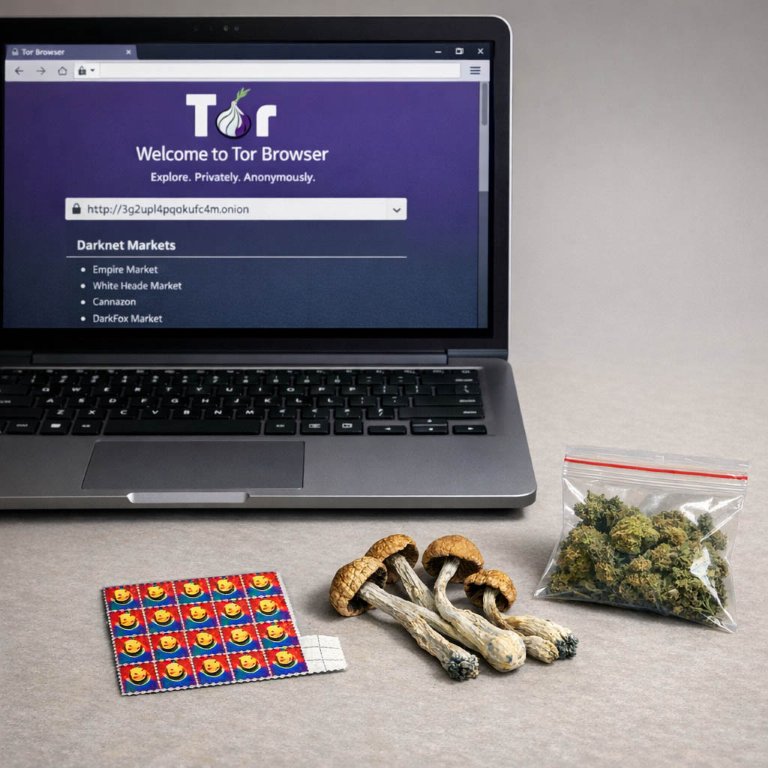
How Darknet Markets Connect Global Buyers and Sellers
The architecture of darknet markets fundamentally removes traditional geographic and intermediary barriers to commerce. This creates a globalized platform where a buyer in one country can transact directly with a producer or primary distributor in another. The elimination of multiple domestic resellers has several concrete effects on the procurement process.
Firstly, it often results in lower final prices for the consumer, as the markup added by each step in a conventional supply chain is consolidated or removed. Secondly, it provides access to a wider variety of products and specific regional goods that would be unavailable or prohibitively expensive in a local street market. A user can source pharmaceuticals from manufacturers in India, cannabis from cultivators in Canada, or synthetic compounds from laboratories in the Netherlands, all through a single interface.
This direct link is facilitated by the market's escrow system and reputation mechanisms, which mitigate the inherent risk of international trade with strangers. The supplier's ability to ship discreetly and reliably across borders becomes a key metric reflected in user feedback. Consequently, successful international vendors are those who have mastered secure packaging and logistics, turning a potential weakness into a documented strength. For the buyer, this system translates to a more efficient and diversified sourcing model, where quality and value are determined by a global marketplace rather than a constrained local one.
How Darknet Markets Ensure Quality and Reliable Trade
The decentralized architecture of darknet markets fundamentally enhances the process of finding quality products and establishing transactions with reliable vendors. Unlike centralized platforms, control and data are distributed across a network, which directly benefits the consumer's ability to make informed and secure purchasing decisions.
A primary mechanism for vendor assessment is the integrated feedback and review system. Every transaction generates a permanent, cryptographically signed record of the buyer's experience. This creates a transparent reputation economy where vendors with consistent high-quality products and professional service accumulate positive reviews and higher ratings. Buyers can scrutinize detailed feedback on product potency, shipping speed, and stealth packaging before committing funds, significantly reducing the risk of fraud.
This environment fosters a form of competitive quality assurance. Vendors are economically incentivized to maintain high standards, as their reputation is their most valuable asset. The escrow system, managed by the market's smart contract-like protocols, holds payment in reserve until the buyer confirms satisfactory receipt of the goods. This protects the buyer and compels the vendor to fulfill their part of the agreement diligently.
The operational model also streamlines discovery through sophisticated search functions and categorization. Products are listed in detailed categories, often with filters for country of origin, shipping options, and vendor trust level. This allows buyers to efficiently navigate a global marketplace and connect with international suppliers who offer specific products that may be unavailable or prohibitively expensive in their local region. The entire processfrom browsing and vetting vendors via reviews to finalizing a secure, encrypted transactionis contained within a streamlined, user-centric framework designed for anonymous commerce.
How Darknet Markets Make Shopping Easy and Reliable
The streamlined experience on darknet markets is fundamentally built upon efficient discovery and verification mechanisms. A buyer's primary task is to identify quality products and reliable vendors, a process the system facilitates through integrated data. Product listings are detailed with specifications, origin, and batch information, while the vendor reputation system provides a quantitative measure of reliability.
This reputation is calculated from historical transaction data, presented as a score alongside detailed feedback. The user review section is critical, offering qualitative insights into product purity, shipping discretion, and communication quality. These reviews function as a decentralized verification network, where consistent positive feedback across many transactions signals a trustworthy vendor.
The platform's architecture allows for direct comparison between competing suppliers. A buyer can assess:
- Average rating and total number of completed sales
- Specific comments on product consistency and delivery times
- The vendor's policy on reships in case of interception
This concentration of information transforms a potentially uncertain process into a manageable one. The escrow system further secures the transaction, holding cryptocurrency until the buyer confirms satisfactory receipt. This combination of transparent vendor history, crowd-sourced quality control, and secured payments creates a self-regulating environment where reliable commerce can occur anonymously. The result is a direct procurement channel that emphasizes vendor accountability and product standards, mirroring the efficiency of conventional e-commerce platforms but within a private framework.